Trinidad sour
Trinidad sour is a strong and tangy cocktail made with rye whiskey, orgeat syrup, lemon juice, and Angostura bitters. It is a popular drink in Trinidad and Tobago and has gained popularity in other parts of the world as well.
Trinidad sour recipe
- 4.5 cl Angostura bitters
- 3 cl orgeat syrup
- 2.25 cl fresh lemon juice
- 1.5 cl rye whiskey
Pour all ingredients into a cocktail shaker, shake well with ice, strain into chilled cocktail glass.
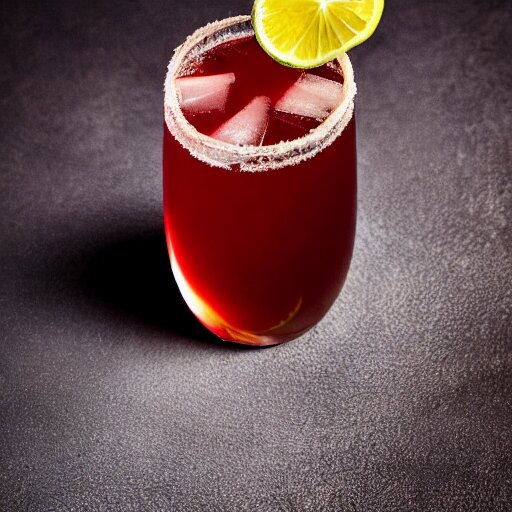
Shaking a Trinidad Sour the right way
- Chill a cocktail glass first so the drink stays brisk and focused once poured. A few minutes in the freezer works well, or fill the glass with ice water while you mix.
- Add the aromatic bitters, almond syrup, freshly squeezed lemon, and rye to a shaker. Because this drink leans heavily on bitters, accurate measuring matters more than usual.
- Fill the shaker generously with cold ice. Plenty of ice helps tame dilution and gives the drink the bright, silky texture that makes the recipe work.
- Shake hard for about 10 to 15 seconds. You want the citrus fully integrated and the syrup lifted into the drink, not sitting heavy underneath.
- Empty the chilling ice from the glass if needed, then fine strain into the cold cocktail glass for a smooth, polished serve.
- Serve immediately, straight up and without garnish if you want to keep it classic. If you do add something, a thin lemon twist can echo the citrus without changing the profile too much.
Why this odd build works
The Trinidad Sour is famous for flipping cocktail logic on its head: bitters take the lead while the whiskey acts almost like a supporting seasoning. The result is not as harsh as it sounds. It lands rich, tart, spicy, and nutty, with baking spice from the bitters, rounded sweetness from orgeat, and sharp lift from lemon. The rye adds a dry backbone that keeps everything from becoming too plush.
A modern classic with a cult following
This drink is generally credited to bartender Giuseppe Gonzalez in the early 2000s in New York. Exact retellings vary a little, but that origin is the most widely accepted. It became a modern classic because it proved a “too much bitters” build could still be balanced, elegant, and surprisingly drinkable.
Best moment to serve it
This is a strong conversation-starter of a cocktail, ideal for adventurous drinkers and great before dinner. Keep it very cold and serve it in a small stemmed glass, since even a slight temperature rise makes the sweetness feel bigger. If someone enjoys amari, sours, or spice-forward whiskey drinks, this is a smart recommendation.
A zero-proof inspired version
For a non-alcoholic riff, use a 0% aromatic bitters alternative or a strongly spiced non-alcoholic aperitif, plus almond syrup and lemon as usual. Replace the rye with a small measure of alcohol-free whiskey alternative or even cooled black tea for dryness. It will not taste identical, but it can still deliver the same tart, spiced, almond-citrus shape.