Stinger
Stinger is a classic cocktail made with brandy and white crème de menthe. Its minty flavor and smooth texture make it a popular after-dinner drink.
Stinger recipe
- 50 ml cognac
- 20 ml white crème de menthe
Pour all ingredients into mixing glass with ice cubes. Stir well. Strain into chilled martini cocktail glass.
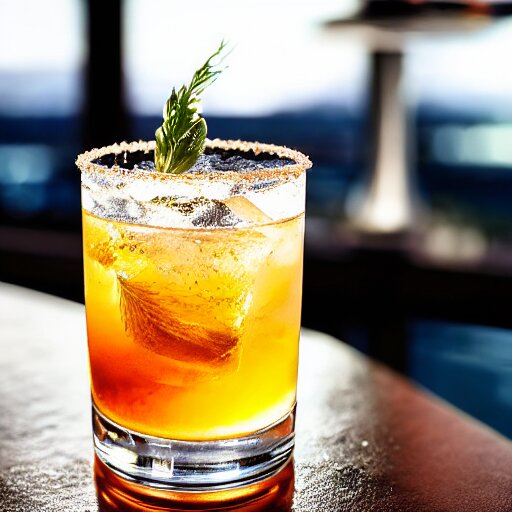
How to mix a crisp Stinger
- Chill a cocktail glass in the freezer for a few minutes, or fill it with ice water while you prepare the drink. A properly cold glass helps keep the Stinger sharp and elegant.
- Add cognac and white crème de menthe to a mixing glass filled with fresh ice. Because this drink is spirit-forward and served without ice, stirring over plenty of cold ice is important.
- Stir steadily for about 20 to 25 seconds. You want the drink thoroughly chilled and lightly diluted so the mint integrates with the brandy instead of sitting on top of it.
- Empty the ice water from the serving glass if you used it, then strain the mixture into the chilled glass.
- Serve immediately, with no garnish if you want the most classic presentation. If desired, a tiny mint leaf can add aroma, but restraint suits this cocktail.
What the Stinger tastes like
The Stinger is clean, cool, and deceptively simple. Cognac brings warmth, dried fruit, oak, and round sweetness, while white crème de menthe adds a bright, icy mint note without changing the drink’s pale amber look too much. The result is silky rather than sharp, with a refreshing finish that explains why it has long been associated with post-meal drinking.
When to serve a Stinger
Traditionally, the Stinger has been treated as an after-dinner cocktail, especially as a digestif. That said, some accounts from the 1920s suggest it began shifting into pre-dinner territory as drinking habits changed. In practice, it works best when you want something short, aromatic, and more refined than a sweet liqueur pour.
A little history and bar lore
The exact origin of the Stinger is not completely certain, but it was firmly established in high-society drinking culture by the early 20th century. It became especially associated with elegant hotels, private clubs, and formal dining. Its reputation as a sophisticated café or supper-club drink helped keep it in the classic canon even as tastes moved toward drier cocktails.
Easy alcohol-free Stinger riff
For a zero-proof version, stir a good non-alcoholic brandy alternative with a small measure of mint syrup and a splash of chilled white tea or water for balance. Keep the mint controlled: too much sweetness makes it candy-like, while a lighter hand preserves the Stinger’s cool, polished character.