Piña colada
A Piña colada is a tropical cocktail made with coconut cream, pineapple juice, and rum. It is typically served blended or shaken and garnished with a pineapple wedge and a maraschino cherry.
Piña colada recipe
- 5 parts white rum
- 3 parts coconut cream
- 5 parts fresh pineapple juice
Blend all the ingredients with ice in an electric blender, pour into a large goblet or Hurricane glass and serve.
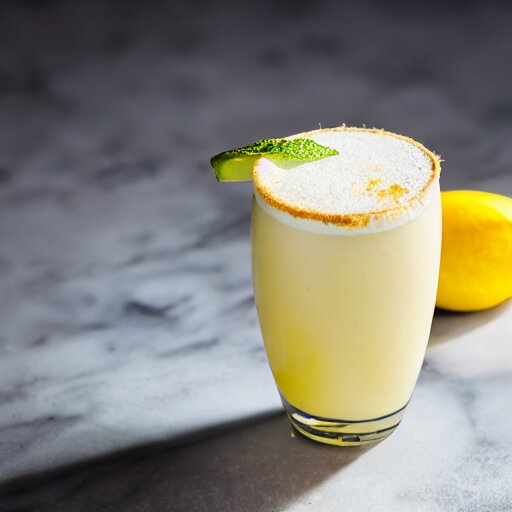
Blending a smooth, bar-style Piña Colada
- Fill a blender with a generous scoop of fresh ice so the finished drink comes out thick and frosty rather than watery.
- Add white rum, coconut cream, and pineapple juice in the proper balance, aiming for a rich texture with bright tropical fruit at the front.
- Blend on high until the mixture is fully smooth and creamy, with no large ice pieces left. If it looks too stiff, add a small splash of pineapple juice; if it seems loose, blend in a little more ice.
- Taste before pouring. A good Piña Colada should feel lush and sweet, but still lively from the pineapple’s acidity.
- Pour into a chilled Poco Grande glass, or another large curved goblet if that is what you have.
- Serve immediately while the texture is still frozen and airy. A pineapple wedge or cherry works well if you want a classic tropical finish.
What the Piña Colada should taste like
This drink is all about creamy tropical balance. The rum brings light warmth, coconut cream gives it a dessert-like body, and pineapple juice keeps the whole thing from becoming heavy. When made well, it should be velvety and cold, with a texture closer to a drinkable sorbet than a standard shaken cocktail.
Because it is blended, dilution matters a lot. Too much ice and it goes flat; too little and it becomes overly rich. The sweet spot is thick enough to mound slightly when poured.
Puerto Rico, fame, and disputed beginnings
The Piña Colada is most closely associated with Puerto Rico and is widely treated as the island’s signature cocktail. Its exact origin is debated, with several bartenders and bars claiming to have created it in the 20th century. The most widely repeated story credits Ramón “Monchito” Marrero at the Caribe Hilton in San Juan in the 1950s, though competing claims exist.
Whatever its precise birthplace, by the mid-20th century it had become one of the defining tropical cocktails worldwide.
Easy zero-proof tropical version
For a non-alcoholic take, leave out the rum and increase the pineapple juice slightly, or add a small splash of coconut water to lighten the texture. Blend as usual with ice for a frozen pineapple-coconut cooler.
If you want more complexity without alcohol, a few drops of vanilla extract can add warmth and roundness. Keep the drink cold and serve right away for the best creamy texture.