Paradise
Paradise is a sweet fruity cocktail made with rum and fruit juices, often served with a tropical garnish. It is a refreshing and vibrant drink that evokes images of paradise and relaxation.
Paradise recipe
- 3.5 cl (7 parts) gin
- 2 cl (4 parts) apricot brandy
- 1.5 cl (3 parts) orange juice
Shake together over ice. Strain into cocktail glass and serve chilled.
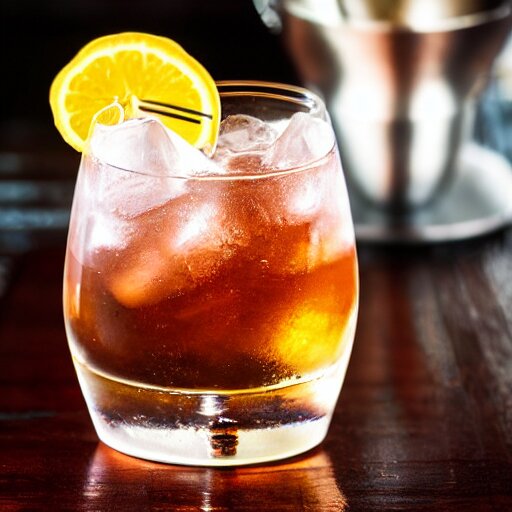
Shaking a Paradise that stays bright and silky
- Fill a shaker with plenty of cold ice so the drink chills quickly without turning watery.
- Pour in the gin, apricot brandy, and fresh orange juice. Freshly squeezed juice gives a cleaner citrus snap and keeps the drink from tasting flat.
- Shake hard for about 10 to 12 seconds. The goal is a very cold, lightly aerated mix with the fruit fully integrated into the spirits.
- Strain into a well-chilled cocktail glass. A fine strain is helpful if your orange juice has lots of pulp.
- Serve immediately, straight up and ice-free, while the texture is still taut and the aroma is vivid.
- If you want a slightly drier version, use a more restrained apricot brandy pour or choose a less sweet apricot liqueur style.
What Paradise tastes like
Paradise sits in a classic sweet-tart zone: juniper and botanicals from the gin up front, soft stone-fruit sweetness in the middle, and a bright orange finish that keeps it lively. It is not as bracing as a Martini and not as juicy as a modern brunch cocktail. The balance works best when the orange juice is fresh and the apricot note stays supportive rather than syrupy.
Getting the glass and temperature right
This drink benefits from real chill. Put the cocktail glass in the freezer for a few minutes before mixing, or fill it with ice water while you shake, then dump it before straining. Because it is served without ice, temperature matters more than dilution once it hits the glass. A small coupe or cocktail glass helps it stay cold to the last sip.
A classic with slightly hazy origins
Paradise is counted among the IBA’s Unforgettables, which places it in the company of early 20th-century classics. Exact origin details are not perfectly settled, but it is generally associated with the interwar era, when fruit-accented gin cocktails were especially fashionable. Its staying power comes from its simplicity: just three components, but a profile that feels elegant rather than obvious.
A zero-proof Paradise-inspired version
For a non-alcoholic take, combine a juniper-forward alcohol-free spirit, apricot nectar or a non-alcoholic apricot cordial, and fresh orange juice. Shake with ice and strain into a chilled coupe. If it tastes too soft, add a few drops of lemon juice to sharpen the finish.