Paloma
Paloma is a tequila-based cocktail that is a popular and refreshing drink in Mexico. It is made with grapefruit soda, lime juice, and salt.
Paloma recipe
- 50 ml 100% agave tequila
- 5 ml fresh lime juice
- pinch of salt
- 100 ml pink grapefruit soda
Pour the tequila into a highball glass, squeeze the lime juice. Add ice and salt, fill up pink grapefruit soda. Stir gently.
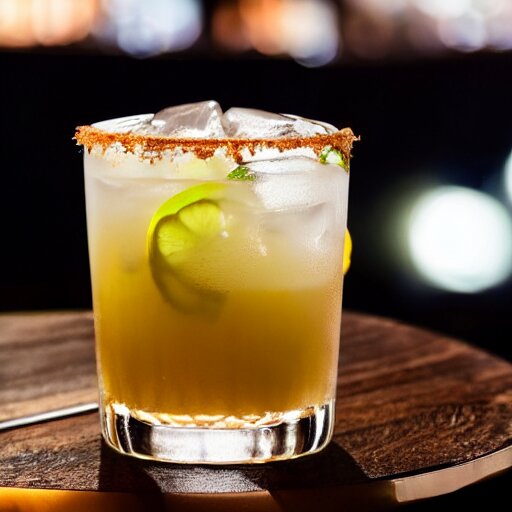
Building a bright, bubbly Paloma
- Fill a highball glass about three-quarters full with fresh ice so the drink stays crisp and cold from the first sip.
- Pour in the tequila, using a good blanco made from 100% agave for a clean, peppery backbone that works well with citrus.
- Add the fresh lime juice and a small pinch of salt. The lime sharpens the drink, while the salt softens bitterness and makes the grapefruit taste juicier.
- Top with pink grapefruit soda, pouring gently to keep as much carbonation as possible.
- Give the drink one or two slow stirs—just enough to combine the ingredients without flattening the bubbles.
- Taste before serving. If it feels too sharp, add a touch more soda; if it seems too sweet, an extra squeeze of lime will bring it back into balance.
What the Paloma tastes like
A Paloma is lighter and more refreshing than many tequila drinks, with a flavor profile built around zesty grapefruit, bright lime, and earthy agave. The soda keeps it easygoing and thirst-quenching, while the salt adds a subtle savory edge. Served over ice, it should feel sparkling, citrusy, and slightly bitter in a very appetizing way.
Why the highball format works
This drink shines because of its long, fizzy structure. The tall glass gives plenty of room for ice and carbonation, helping the grapefruit stay lively rather than syrupy. It is especially good in warm weather, but its snappy bitterness also makes it a strong match for rich or spicy food, especially tacos, grilled meats, and salty snacks.
Paloma background and bar-room trivia
The exact origin of the Paloma is not fully certain, but it is widely associated with Mexico and is often considered one of the country’s most beloved tequila highballs. Some credit its popularization to Don Javier Delgado Corona, the legendary bartender of La Capilla in Jalisco, though firm documentation is limited. What is clear is that the combination of tequila and grapefruit became a natural classic, especially as bottled grapefruit sodas grew in popularity.
A zero-proof Paloma-style variation
For a non-alcoholic version, replace the tequila with a non-alcoholic agave spirit alternative or a small splash of agave syrup plus extra lime for body. Build it the same way over ice, then top with grapefruit soda. You still get the signature citrus sparkle and salty lift, just without the alcohol.