New York sour
New York sour is a popular cocktail made with bourbon or rye whiskey, lemon juice, simple syrup, and red wine floated on top. It has a tangy, fruity flavor and a deep red color that makes it visually appealing.
New York sour recipe
- 6 cl whiskey (rye or bourbon)
- 2.25 cl Simple syrup
- 3 cl fresh lemon juice
- Few drops of egg white
- 1.5 cl red wine (Shiraz or Malbec)
Pour the whiskey, syrup, lemon juice, and egg white into shaker with ice cubes. Shake vigorously. Strain into chilled rocks glass filled with ice. Float the wine on top. Garnish with lemon or orange zest and cherry.
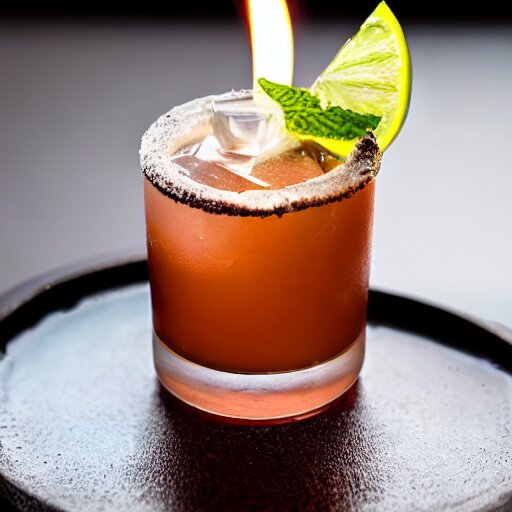
How to build a New York Sour with a clean red wine float
- Fill a shaker with ice, then add your whiskey, sweetener, citrus, and a small amount of egg white. If you want a silkier foam, you can first dry shake without ice for a few seconds, then add ice and shake again.
- Shake hard until the tin is very cold. The goal is not just chilling but also properly combining the citrus, sugar, and egg white so the drink lands with a smooth texture rather than a sharp split between sour and spirit.
- Strain into a rocks glass over fresh ice. Large cubes work especially well here because they keep the drink cold without watering it down too quickly.
- To create the signature layered top, slowly pour the red wine over the back of a bar spoon so it floats across the surface instead of mixing straight in.
- Finish with a strip of lemon or orange zest and, if you like, a cherry. Serve immediately so the guest gets the visual contrast before the layers begin to blend.
What it tastes like in the glass
A New York Sour starts like a classic whiskey sour: bright, tart, lightly sweet, and whiskey-led. The wine float changes the experience dramatically. You get dark fruit, a touch of tannin, and a dry aromatic layer on top that gradually folds into the drink as you sip.
Bourbon makes it rounder and softer, while rye gives the cocktail more spice and snap. A bold but not overly oaky red works best so the float adds contrast without dominating.
Why the float matters
The wine is not just decoration. It adds aroma first, then structure. The first sip can be fruity and vinous at the surface, followed by citrus and whiskey underneath. As the layers mingle, the drink becomes deeper and slightly more savory.
For presentation, use a wine with good color density. The visual band of red over pale sour is part of the appeal.
A little history and bar lore
Despite the name, the exact New York origin is not fully certain. Most credible accounts connect it to the broader family of whiskey sours that became popular in the late 19th century, with the red wine float appearing as a later flourish. It has also been linked to older serves once called a Continental Sour.
Whatever the precise lineage, it survives because it is both theatrical and balanced.
Easy alcohol-free take
For a zero-proof version, use a non-alcoholic whiskey alternative or strong brewed black tea with a dash of bitters-style NA flavoring. Keep the lemon and syrup structure, then float a small amount of dealcoholized red wine or unsweetened red grape juice diluted with a little tart cherry juice. You still get the layered look and the dark-fruit top note that defines the drink.