Monkey gland
Monkey gland is a South African cocktail made with gin and orange juice, flavored with grenadine and Worcestershire sauce. Despite its name, it does not contain any actual monkey gland.
Monkey gland recipe
- 45 ml gin
- 45 ml orange juice
- 1 tablespoon absinthe
- 1 tablespoon grenadine
Shake well over ice cubes in a shaker, strain into a chilled cocktail glass.
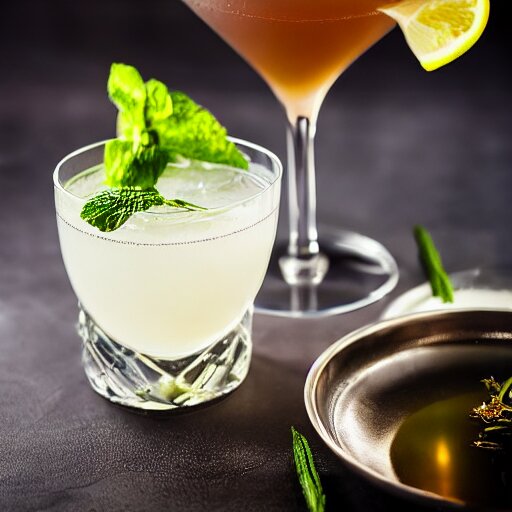
How to mix a Monkey Gland
- Chill a cocktail glass first so the drink stays properly cold and crisp when served straight up. A few minutes in the freezer works well.
- Fill a shaker with fresh ice, then add gin, orange juice, grenadine, and just a small measured splash of absinthe. The absinthe is powerful, so accuracy matters.
- Shake hard for about 10 to 15 seconds. You want the citrus fully integrated and the drink nicely aerated, with a light froth from the juice.
- Taste a drop if you like before straining: the ideal balance is bright orange up front, a touch of red-fruit sweetness, and a faint herbal lift rather than a heavy anise note.
- Discard any ice or water from the chilled glass, then fine-strain the cocktail into it for a smoother texture and cleaner presentation.
- Serve immediately, without ice. If desired, a small orange twist can sharpen the aroma, though the drink is often presented without garnish.
What the Monkey Gland tastes like
This is a citrus-led classic with an unusual edge. The base spirit keeps it dry and botanical, while the orange brings roundness and freshness. Grenadine adds sweetness and color, but the defining accent is the absinthe: just enough to give a subtle licorice-herbal echo that makes the drink memorable. Done well, it should taste lively and slightly exotic, not syrupy.
A little notorious backstory
The Monkey Gland is usually linked to Harry MacElhone of Harry’s New York Bar in Paris during the 1920s. The name is famously odd, likely inspired by a then-sensational medical craze involving gland transplants promoted by surgeon Serge Voronoff. Exact details of the naming are hard to verify, but that Parisian interwar connection is the most widely accepted context.
Best way to serve it
Because it contains juice, this cocktail is at its best very cold and freshly shaken. Use a dry gin with a firm juniper backbone if you want a sharper classic profile, or a softer modern gin for a rounder drink. If your orange juice is very sweet, slightly reducing the grenadine can help keep the finish from becoming cloying.
Alcohol-free Monkey Gland riff
For a zero-proof version, use a non-alcoholic gin alternative, fresh orange juice, grenadine, and a few drops of anise-based alcohol-free spirit or rinse the glass with a non-alcoholic absinthe substitute. Shake with ice and strain as usual. You’ll keep the bright citrus and distinctive herbal accent, even without the alcohol.