Mimosa
Mimosa is a brunch cocktail made with equal parts of champagne and orange juice. It’s a refreshing and light drink perfect for celebrating special occasions or relaxing on weekends.
Mimosa recipe
- 7.5 cl champagne
- 7.5 cl orange juice
Ensure both ingredients are well chilled, then mix into the glass. Serve cold.
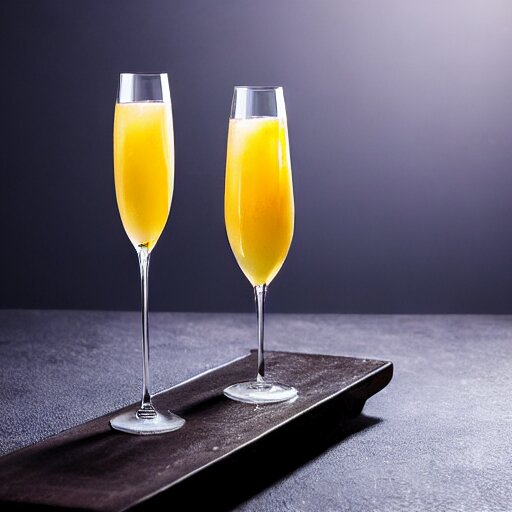
Building a bright, balanced Mimosa
- Chill the flute thoroughly before serving so the drink stays crisp and lively from the first sip to the last.
- Make sure both components are very cold. A Mimosa works best when built straight from the refrigerator, without needing ice.
- Pour the orange juice into the flute first. This helps the sparkling wine mix gently without knocking out too many bubbles.
- Slowly top with the champagne, tilting the glass slightly if needed to control the foam and preserve carbonation.
- Give it only the lightest stir, or none at all if the pour naturally combines the drink.
- Serve immediately while the texture is still fresh, fizzy, and bright. If you like, add a small orange twist for aroma, but keep the garnish minimal.
What the Mimosa tastes like
A Mimosa is light, citrusy, and celebratory. The orange juice softens the sharpness of the sparkling wine, creating a drink that feels juicy, refreshing, and easygoing rather than intensely boozy. It should taste clean and brisk, with enough acidity to stay refreshing and enough fruit to feel smooth. If the juice is too sweet or the wine too flat, the drink quickly loses its charm.
Best brunch service and glassware choices
The classic serving style is straight up in a champagne flute, which helps highlight the bubbles and keeps the drink elegant. For the best result, use freshly opened sparkling wine and juice with a vivid, natural orange flavor. Freshly squeezed juice gives more brightness, while strained juice gives a neater texture. This is a cocktail meant to be served immediately, not batched too far in advance.
A little Mimosa history
The Mimosa is most often linked to the Ritz Hotel in Paris in the 1920s, though sparkling wine and citrus combinations existed before then. Exact origin details are not perfectly settled, but that Parisian hotel connection is the most widely repeated and credible story. It is often compared with the Buck’s Fizz, a related drink that usually uses a higher proportion of sparkling wine.
Easy alcohol-free brunch version
For a non-alcoholic take, replace the champagne with a dry alcohol-free sparkling wine or chilled sparkling white grape beverage. Keep the same gentle build in the flute and use fresh orange juice to preserve the signature sunny character. The result is festive, crisp, and well suited to brunch or daytime celebrations.