Martinez
The Martinez is a classic cocktail made with gin, sweet vermouth, maraschino liqueur, and bitters. It is believed to be the predecessor to the modern-day Martini.
Martinez recipe
- 45 ml London Dry Gin
- 45 ml Sweet Red Vermouth
- 1 Bar Spoon Maraschino Liqueur
- 2 Dashes Orange Bitters
Stirred over ice, strained into a chilled glass, garnished, and served up.
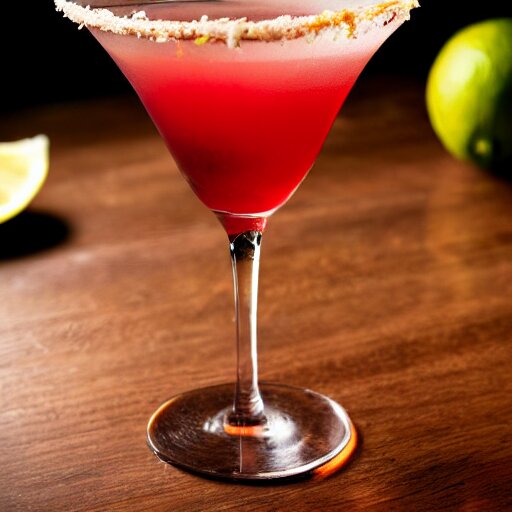
Building a Martinez with a silky, aromatic finish
- Chill a cocktail glass well in advance, either in the freezer or by filling it with ice and water while you prepare the drink.
- Add plenty of fresh ice to a mixing glass, then pour in the gin, sweet vermouth, a small spoon of maraschino liqueur, and the orange bitters.
- Stir steadily for about 20 to 30 seconds. You want the drink cold, glossy, and lightly diluted rather than aggressively watered down.
- Empty the chilling ice from the serving glass, then fine strain the mixture into the cold glass for a smooth texture.
- Garnish with a lemon twist or a cherry, depending on whether you want to emphasize bright citrus oils or the drink’s deeper stone-fruit notes.
- Serve immediately, straight up, while the aromatics are still lifted and vivid.
What the Martinez tastes like
The Martinez sits in the family tree between the Manhattan and the Martini, but it drinks like neither exactly. It is rounder, softer, and more perfumed than a dry Martini, with a gently sweet core from vermouth and maraschino. Orange bitters keep it from feeling heavy, while the gin adds structure and a herbal spine.
If you want it leaner, use a more juniper-forward gin and go easy on the maraschino. If you prefer a richer, old-fashioned style, choose a fuller vermouth and garnish with a cherry.
A likely origin story
The Martinez is widely considered a 19th-century precursor to the Martini, though the exact origin is debated. One popular story links it to the town of Martinez, California; another ties it to legendary bartender Jerry Thomas, whose 1887 book includes a Martinez recipe. Early versions varied quite a bit, often using Old Tom gin rather than drier modern styles, which helps explain why recipes differ from bar to bar today.
Best way to serve it tonight
This is a strong, spirit-forward drink, but it should never taste sharp. Serve it very cold in a stemmed glass and pair it with salty snacks, olives, nuts, or cured meats. It works especially well as a slow first drink of the evening.
For a non-alcoholic nod to the style, stir together a zero-proof gin alternative, a non-alcoholic red vermouth-style aperitif, and a dash or two of orange bitters alternative over ice, then strain up and finish with a lemon twist.