Mai Tai
Mai Tai is a Polynesian-inspired cocktail made with rum, orange curacao, lime juice, and almond syrup. It gained popularity in the 1950s and 1960s and is often associated with tiki culture.
Mai Tai recipe
- 30 ml amber Jamaican rum
- 30 ml Martinique molasses rhum
- 15 ml orange curaçao
- 15 ml orgeat syrup (almond)
- 30 ml fresh lime juice
- 7.5 ml simple syrup
Add all ingredients into a shaker with ice. Shake and pour into a double rocks glass or a highball glass.
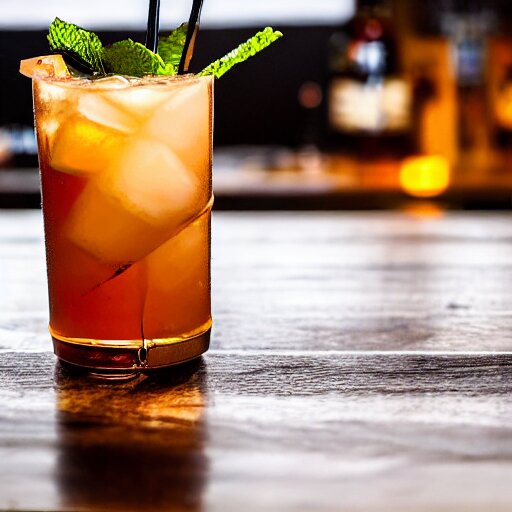
Building a Mai Tai over crushed ice
- Chill an old fashioned glass, then fill a shaker with ice. If you have time, also pack the serving glass with crushed or shaved ice so the drink stays frosty longer.
- Add the two rums, orange liqueur, orgeat, fresh lime juice, and a small measure of simple syrup to the shaker. The goal is a balance of tart lime, nutty sweetness, and deep rum character.
- Shake hard for about 10 to 12 seconds. You want the drink well chilled, but not overly diluted, since it will continue to open up over crushed ice.
- Dump the ice from the serving glass if you pre-chilled it, then fill it with fresh crushed or shaved ice.
- Strain or open-pour the shaken drink into the glass. A slightly “dirty dump” with small shards of shaker ice works well here and gives a classic texture.
- Top with a little more crushed ice to form a mound. Garnish if you like with a spent lime shell, mint, or both, and serve immediately with a short straw.
What the Mai Tai should taste like
A proper Mai Tai is not a sugary tropical punch. It should be bright, dry-leaning, and layered: funky rum on the nose, sharp lime up front, orange depth through the middle, and a rounded almond finish from the orgeat. The mix of Jamaican rum and Martinique molasses rhum gives it both richness and lift.
If it tastes flat, it usually needs more lime or colder ice. If it feels too sharp, a touch more syrup or orgeat can soften the edges.
Trader Vic, rum lore, and a common misconception
The Mai Tai is most credibly linked to Trader Vic in the 1940s, though tiki history is full of rival claims and strong opinions. One important detail often missed: the Martinique rum in early versions was not agricole made from fresh cane juice, but a molasses-based rhum with a distinctive, “rummy” profile. That difference matters, because it changes the drink from grassy and lean to fuller and rounder.
Best way to serve it tonight
Crushed ice is part of the recipe, not just presentation. It chills fast, softens the drink gradually, and gives the Mai Tai its relaxed, beach-bar texture. An old fashioned glass is the standard move, though a highball works if you want extra ice and a slightly longer drink.
For a zero-proof riff, shake fresh lime juice, almond syrup, orange cordial, and a splash of demerara syrup with crushed ice, then top with a float of strong black tea or a non-alcoholic dark rum alternative for depth.