Long Island iced tea
Long Island iced tea is a potent cocktail that combines multiple types of alcohol and has a taste similar to iced tea. It is often served in tall glasses with ice and garnished with lemon or lime.
Long Island iced tea recipe
- 15 ml Tequila
- 15 ml Vodka
- 15 ml White rum
- 15 ml Cointreau
- 15 ml Gin
- 30 ml Lemon juice
- 20 ml simple syrup
- Top with Cola
Add all ingredients into highball glass filled with ice. Stir gently. Optionally garnish with lemon slice.
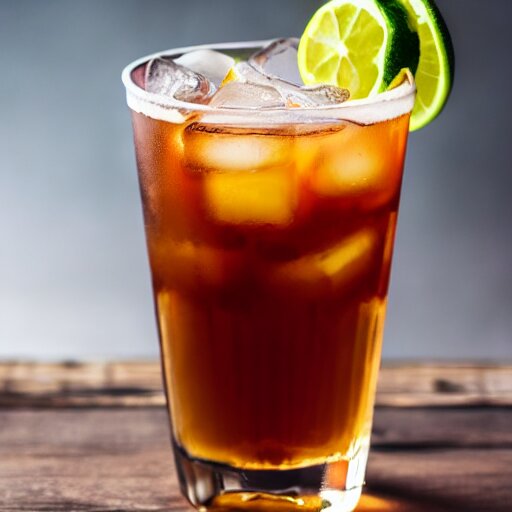
Building a Long Island Iced Tea in the glass
- Fill a highball glass generously with fresh ice so the drink stays cold and properly diluted as you sip.
- Pour in the five spirits, using equal measures for each, then add the citrus and sugar components. The balance matters here: the lemon keeps the drink bright, while the syrup softens the sharp edges.
- Stir briefly but thoroughly in the glass to combine everything before adding the topper. This helps prevent the cola from doing all the mixing on its own.
- Add a small splash of cola over the top—just enough to give the drink its signature tea-like color and a light caramel note.
- Give it one gentle final stir so the top and bottom are evenly integrated without flattening the fizz too much.
- If you like, finish with a lemon slice or wedge. Serve immediately with plenty of ice.
What it tastes like when balanced well
A good Long Island Iced Tea should taste more citrusy, lightly sweet, and cola-lifted than aggressively boozy. Despite the lineup of base spirits, no single one should dominate. Instead, you get a fast, bright hit of lemon first, a touch of orange complexity from the liqueur, and a familiar cola finish. If it tastes harsh, it usually needs either more dilution, better stirring, or a more careful cola top.
Why it became famous
The exact origin is debated, but the most widely repeated story credits Robert “Rosebud” Butt with creating it in the 1970s during a cocktail contest in Long Island, New York. Whether or not that account is the full story, the drink clearly rose to fame in the late 20th century as a barroom staple. Its name comes from the drink’s resemblance to iced tea, even though it contains no tea at all.
Best way to serve it
This cocktail works best very cold and freshly made, not pre-batched in the glass too far ahead. Use plenty of ice and a restrained hand with the cola; too much turns it into soda, too little leaves it sharp and raw. It suits casual parties, late-night orders, and anyone who wants a tall drink with a deceptively easy profile.
Alcohol-free idea: No-Long-Island Cola Cooler
For a zero-proof version, combine lemon juice, orange syrup or triple-sec-style non-alcoholic alternative, a little simple syrup, and cola over ice. A tiny splash of non-alcoholic juniper spirit can add extra complexity. It won’t mimic the original exactly, but it captures the same sweet-citrus-cola character in a lighter, more sessionable style.