Kir
Kir is a popular French apéritif made by adding crème de cassis (blackcurrant liqueur) to dry white wine. It is typically served chilled as a refreshing and fruity cocktail.
Kir recipe
- 9 cl (9 parts) white wine
- 1 cl (1 part) crème de cassis
Add the crème de cassis to the bottom of the glass, then top up with wine.
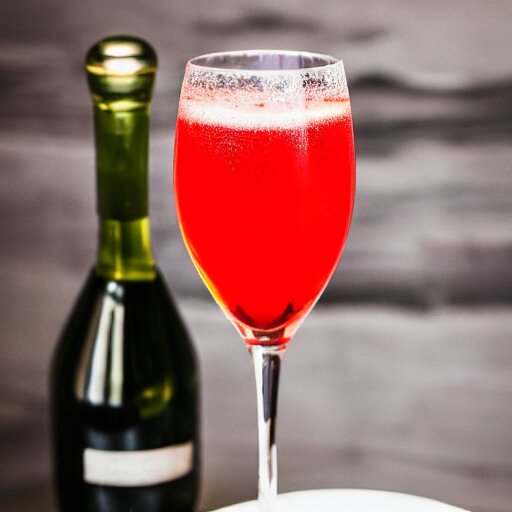
Building a Kir in the wine glass
- Chill a white wine glass first so the drink stays crisp from the first sip to the last. A colder glass also helps preserve the refreshing character of the wine.
- Measure the crème de cassis and pour it into the bottom of the glass. Starting with the liqueur creates the classic look and lets it slowly mingle with the wine.
- Gently add well-chilled dry white wine. Pour slowly to avoid knocking out too much aroma and to keep the texture elegant rather than fizzy or splashed.
- If you like a more integrated drink, give it one brief, delicate stir. If you prefer the traditional presentation, leave it unstirred and let the flavors combine naturally as you drink.
- Serve immediately, straight up and without ice. The Kir is at its best when cold, light, and clean, with no dilution.
- Adjust future pours to taste: a touch more cassis makes it rounder and fruitier, while a drier white keeps it sharper and more aperitif-like.
What the Kir tastes like
Kir is a simple wine cocktail with a gently sweet, dark-berry accent layered over a dry white-wine base. The cassis adds blackcurrant richness, color, and a soft liqueur body, while the wine keeps the drink bright and lean. The result is low-effort but elegant: fruity, lightly tart, and very easy to sip before a meal.
Choosing the wine and serving it well
A dry, neutral-to-crisp white works best. Wines with fresh acidity help balance the sweetness of the blackcurrant liqueur, keeping the drink from feeling heavy. Serve it quite cold in a white wine glass, ideally alongside salty snacks, mild cheeses, or simple canapés. If your wine is already slightly aromatic or off-dry, use a lighter hand with the cassis.
Burgundy roots and a famous name
The Kir is most closely associated with Burgundy, France. It is widely linked to Félix Kir, a priest, Resistance member, and later mayor of Dijon, who helped popularize the drink in the mid-20th century. Exact origin details are a little murky, but this Burgundy connection is the most credible and commonly accepted account.
A no-alcohol cassis spritz version
For a non-alcoholic adaptation, use chilled alcohol-free white wine or a dry white grape sparkling drink with a small measure of blackcurrant syrup or alcohol-free cassis alternative. Keep the same build style in the glass and aim for balance rather than sweetness. The result won’t be identical, but it captures the Kir’s berry-and-white-wine feel surprisingly well.