John Collins
John Collins is a classic cocktail made with gin, lemon juice, sugar, and soda water. It is typically served over ice and garnished with a lemon twist and cherry.
John Collins recipe
- 4.5 cl (3 parts) gin
- 3 cl (2 parts) freshly squeezed lemon juice
- 1.5 cl (1 part) sugar syrup
- 6 cl (4 parts) carbonated water
Pour all ingredients directly into highball glass filled with ice. Stir gently. Garnish. Add a dash of Angostura bitters.
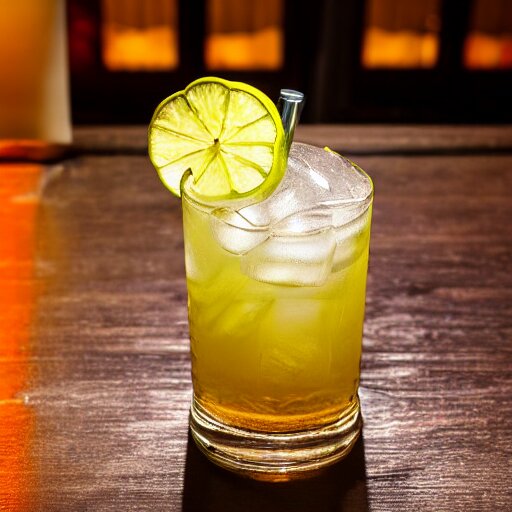
Building a John Collins over ice
- Fill a chilled Collins glass to the top with fresh ice. Using plenty of ice helps keep the drink lively and cold without watering it down too quickly.
- Pour in the gin, then add fresh lemon juice and simple syrup. If you like a drier Collins, start slightly lighter on the syrup and adjust after a quick taste.
- Stir briefly to combine the base ingredients before topping. This helps the citrus and sweetness integrate evenly through the drink.
- Add the chilled carbonated water slowly so you keep as much fizz as possible. Pouring against the inside of the glass can help preserve carbonation.
- Give the drink one gentle lift with a bar spoon rather than a vigorous stir. The goal is to mix, not flatten the bubbles.
- Finish with a dash of Angostura bitters and garnish, traditionally with a lemon slice or wedge; a maraschino cherry is also common in some builds.
- Serve immediately with a straw or long spoon so the drink stays sparkling and refreshing from first sip to last.
What the John Collins tastes like
A John Collins drinks like a sparkling gin sour: bright lemon up front, a touch of sweetness through the middle, and a long, cool, fizzy finish. The gin’s botanicals stay noticeable but softened, making this an easy warm-weather classic. Compared with a Tom Collins, the distinction is historically fuzzy, but John Collins is commonly associated with gin in modern cocktail use.
Best garnish and glass balance
The tall Collins glass is part of the drink’s identity. Its shape shows off the bubbles and keeps the ratio of spirit to soda especially refreshing. Use brisk, highly carbonated water and fresh lemon juice; both make a bigger difference here than in heavier cocktails. If your gin is especially juniper-forward, a thin lemon wheel works well. With a softer, more floral gin, a lemon peel can add extra aroma.
A little Collins history
The exact origin is debated. The most credible story places the drink family in 19th-century Britain, with the name linked to a head waiter in London named John Collins, though printed recipes evolved over time and the line between John and Tom Collins has often blurred. What is clear is that the Collins became one of the enduring template drinks: spirit, citrus, sugar, and bubbles.
Zero-proof Collins variation
For a non-alcoholic version, use a botanical zero-proof spirit or simply combine extra-chilled soda water with lemon juice, simple syrup, and 2 to 3 dashes of non-alcoholic bitters. A small pinch of juniper or rosemary syrup can mimic some gin-like character while keeping the drink crisp and light.