Hanky panky
Hanky Panky is a classic gin-based cocktail invented by Ada Coleman at the American Bar in the Savoy Hotel, London, in the early 1900s. It is made with equal parts gin, sweet vermouth, and Fernet-Branca, a herbal Italian digestif.
Hanky panky recipe
- 45 ml London dry gin
- 45 ml Sweet red vermouth
- 7.5 ml Fernet-Branca
Stirred over ice, strained into a chilled glass, garnished, and served up.
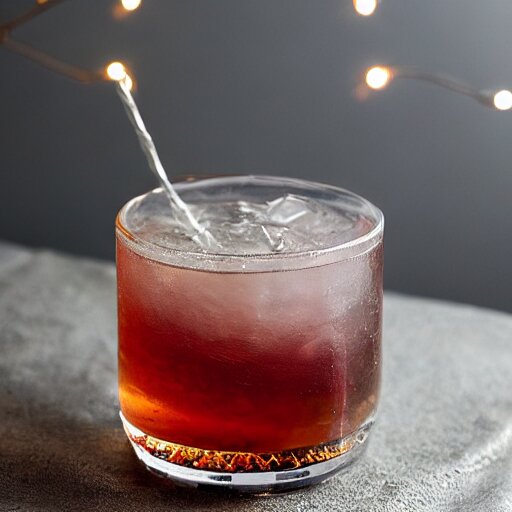
Stir, chill, and balance the Hanky Panky
- Place a cocktail glass in the freezer for a few minutes, or fill it with ice water while you mix so the finished drink stays properly cold.
- Fill a mixing glass with plenty of fresh ice. Add the gin first, then the sweet vermouth, followed by the small but crucial measure of Fernet-Branca.
- Stir steadily for about 20 to 25 seconds. You want thorough chilling and dilution, not aeration; the drink should come out silky and clear rather than frothy.
- Empty the chilling ice from the serving glass if needed, then strain the mixture finely into the cold cocktail glass.
- Garnish with an orange twist, expressing the oils over the surface before dropping it in or discarding it, depending on your preference.
- Serve immediately, straight up and very cold. If the first sip feels too stern, let it sit for half a minute; the aromatics open up quickly.
Why this one tastes so distinctive
The Hanky Panky drinks like a martini’s darker, more mischievous cousin. The base is rich and botanical, with the vermouth bringing sweetness and depth while Fernet adds menthol, bitter herbs, and a dry, lingering finish. That tiny herbal accent is what makes the drink memorable: too little and it feels flat, too much and it can turn aggressively medicinal.
Savoy roots and its famous name
The drink is most commonly linked to Ada Coleman, legendary head bartender at the American Bar in London’s Savoy Hotel in the early 1900s. The usual story is that she created it for actor Sir Charles Hawtrey, who reportedly exclaimed that it was a “hanky panky.” Exact details are hard to verify perfectly, but Coleman’s authorship is widely accepted and the cocktail has long been counted among the classic early 20th-century standards.
Best way to serve it well
This is at its best before dinner, very cold, and in a small stemmed glass. A fresh orange twist lifts the nose and softens Fernet’s stern edge. If you like Manhattan-style drinks or Martinez-family cocktails, this often lands beautifully.
Zero-proof idea with similar intrigue
For a non-alcoholic version, stir together equal parts non-alcoholic gin alternative and a dealcoholized rosso-style aperitif, then add a barspoon or two of a bitter herbal spirit alternative. Stir over ice, strain up, and finish with orange peel. Keep the bitter element restrained so it stays complex rather than overpowering.