Gin fizz
Gin fizz is a classic cocktail made from gin, lemon juice, sugar, and soda water. The frothy and refreshing drink is perfect for any occasion.
Gin fizz recipe
- 4.5 cl gin
- 3 cl fresh lemon juice
- 1 cl simple syrup
- Splash of soda water
Shake all ingredients with ice cubes, except soda water. Pour into glass. Top with soda water.
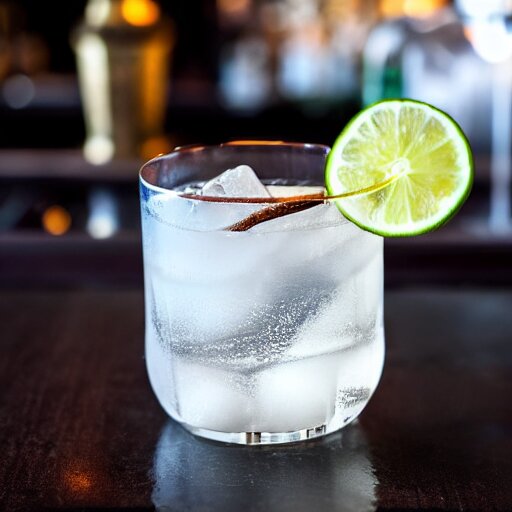
Building a bright, foamy Gin Fizz
- Fill a shaker with ice, then add the gin, freshly squeezed lemon juice, and simple syrup. Fresh citrus matters here: bottled juice makes the drink flatter and harsher.
- Shake hard for about 10 to 15 seconds until the tin feels very cold. The goal is not just chilling, but also giving the lemon and sugar enough agitation to create the fizz’s lightly frothy texture.
- Strain into a chilled old fashioned glass. A fine strain helps keep out small ice shards and lemon pulp, giving the drink a cleaner finish.
- Add a small splash of soda water on top. Pour gently so you keep the lift and don’t knock out the bubbles right away.
- Give it only the lightest stir, if any. The best version keeps the sparkling top lively while the base stays silky and tart.
- Serve immediately while the foam is still fresh and the carbonation is at its brightest.
What the Gin Fizz tastes like
A Gin Fizz drinks like a sharper, lighter cousin of the Tom Collins. It is citrus-forward, crisp, and dry-leaning, with just enough sweetness to soften the lemon’s edge. The gin’s botanicals come through clearly, especially if you choose a classic London Dry, but the soda keeps everything airy rather than heavy.
Because it is served straight up and not over ice, balance is especially important: too much syrup makes it limp, too little makes it aggressively sour.
Why this classic still matters
The Gin Fizz is one of the old sours that helped define classic bar structure: spirit, citrus, sugar, and dilution. It became especially popular in the late 19th and early 20th centuries, when “fizzes” were a recognized family of drinks in American bartending.
Its exact first origin is hard to pin down, but the most credible story is simply that it evolved from the broader sour tradition as bartenders began adding sparkling water for lift and refreshment.
Small tweaks and a no-proof version
For a softer, more floral version, try a gentler gin with pronounced citrus or lavender notes. If you want more texture, an egg white turns it into a richer silver fizz style.
For a non-alcoholic riff, use a zero-proof gin alternative or a mix of juniper tea and a few drops of tonic concentrate, then shake with lemon and syrup and finish with soda. You still get the bright, zippy character that makes the drink so appealing.