French 75
French 75 is a classic cocktail made with gin, lemon juice, simple syrup, and Champagne. It was named after the French 75mm field gun used in World War I.
French 75 recipe
- 30 ml (1.0 US fl oz) gin
- 15 ml (0.51 US fl oz) lemon juice
- 15 ml (0.51 US fl oz) simple syrup
- 60 ml (2.0 US fl oz) Champagne
Combine gin, syrup, and lemon juice in a cocktail shaker filled with ice. Shake vigorously and strain into a chilled champagne glass. Top up with champagne. Stir gently.
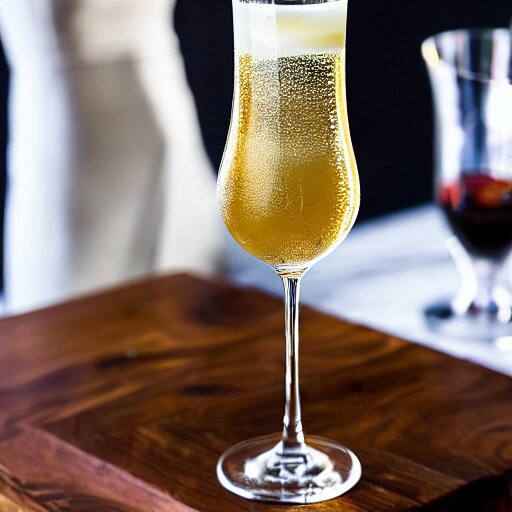
Shaking and finishing a French 75
- Chill a Champagne flute first so the drink stays crisp and lively from the first sip. A few minutes in the freezer works well, or fill the glass with ice water while you prep.
- Add the gin, fresh lemon juice, and simple syrup to a shaker filled with plenty of cold ice. Fresh citrus matters here; bottled juice will make the drink taste flatter and less bright.
- Shake hard for about 10 to 12 seconds until the mixture is well chilled and lightly aerated. You want it cold, but not overly diluted.
- Empty the flute if you used ice water, then fine strain the shaken mixture into the chilled glass. Fine straining helps keep the texture polished and free of small ice shards.
- Slowly top with well-chilled Champagne. Pouring gently helps preserve the bubbles and keeps the drink from foaming over.
- Give it one delicate stir—just enough to combine the sparkling wine with the citrus-gin base without knocking out too much carbonation.
- If you like, finish with a thin lemon twist for aroma. Serve immediately while the drink is still taut, bright, and effervescent.
What it tastes like in the glass
The French 75 drinks like a sparkling gin sour: dry, citrusy, and brisk, with a sharp edge softened by sugar and lifted by Champagne. It feels more elegant than heavy, with a clean botanical backbone and a celebratory finish. Despite its light appearance, it can be deceptively strong.
Why the flute and temperature matter
This cocktail is best very cold and served straight up. A flute helps concentrate the bubbles and keeps the sparkling wine feeling focused rather than loose. Use cold sparkling wine and a chilled glass; if either is warm, the drink loses its snap quickly.
A brief story behind the name
The most widely repeated origin story links the drink to the French 75 field gun used in World War I, supposedly because the cocktail hit with similar force. Exact authorship is a bit murky, but the drink is strongly associated with early 20th-century bar culture in Paris, especially the Harry’s New York Bar orbit. However it began, it became one of the enduring Champagne cocktails of the classic canon.
A no-proof French 75-style riff
For a non-alcoholic version, shake alcohol-free gin with lemon and syrup, then strain into a flute and top with chilled non-alcoholic sparkling wine or dry sparkling lemonade. Keep the sweetness restrained so it still feels sharp and refreshing rather than soft and soda-like.