Dry martini
Dry martini is a classic cocktail made with gin or vodka and dry vermouth, served with an olive or lemon twist. The drink is popularized by James Bond in the film franchise.
Dry martini recipe
- 60 ml (2.0 US fl oz) gin
- 10 ml (0.34 US fl oz) dry vermouth
Pour all ingredients into mixing glass with ice cubes. Stir well. Strain into chilled martini cocktail glass.
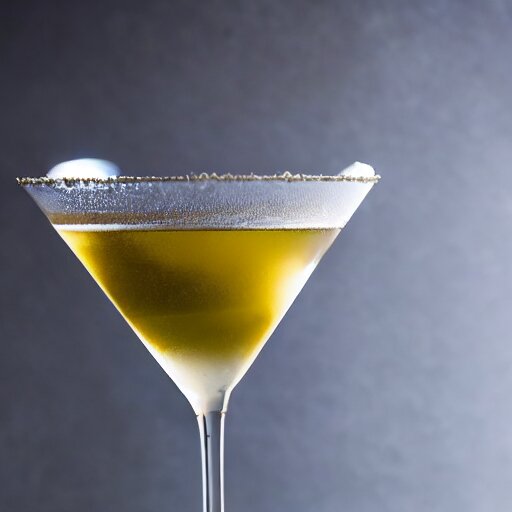
How to mix a crisp Dry Martini
- Chill a cocktail glass first so the drink stays icy and sharp from the first sip. A few minutes in the freezer works well, or fill it with ice water while you prepare the mix.
- Add gin and dry vermouth to a mixing glass filled generously with fresh ice. Use plenty of cold, solid cubes so the drink chills quickly without over-diluting.
- Stir steadily for about 20 to 30 seconds. The goal is a silky, crystal-clear texture and enough dilution to soften the spirit without muting its botanicals.
- Empty the chilled serving glass if needed, then strain the mixture into it. A fine, clear surface is part of the drink’s appeal.
- For a classic finish, express a strip of lemon peel over the top to release its oils, then discard it or drop it in. If requested, garnish instead with green olives for a saltier, savory edge.
- Serve immediately, straight up and very cold.
What the Dry Martini tastes like
A Dry Martini is lean, aromatic, and spirit-forward. Gin leads with juniper and herbal notes, while the vermouth adds dryness, faint floral character, and a softer, wine-like backbone. The lemon twist keeps it bright and elegant; olives push it in a brinier, more savory direction. Small ratio changes make a big difference, so this is a cocktail where precision matters.
Dry Martini lore and disputed origins
The exact origin is uncertain, and several stories compete. Most historians place its development in the late 19th to early 20th century, likely evolving from the Martinez and other early gin-and-vermouth cocktails. By the early 1900s, the drier style had become firmly established. Its reputation later grew through hotel bars, cocktail culture, and plenty of pop-culture glamour.
Best way to serve it well
This drink rewards cold tools, good ice, and fresh vermouth. Because vermouth is fortified wine, it should be kept refrigerated after opening and used while still lively. A stale bottle can flatten the whole cocktail. If you prefer a softer Martini, increase the vermouth slightly; if you want it sharper and more austere, reduce it.
Alcohol-free Martini-style riff
For a no-alcohol version, stir a non-alcoholic gin alternative with a splash of dealcoholized white aperitif or alcohol-free vermouth substitute over ice, then strain into a chilled cocktail glass. Finish with lemon oils or an olive, depending on whether you want a brighter or more savory profile.