Boulevardier
Boulevardier is a classic cocktail made with whiskey, Campari, and sweet vermouth. It has a bittersweet and complex flavor profile.
Boulevardier recipe
- 45 ml bourbon or rye whiskey
- 30 ml bitter Campari
- 30 ml sweet red vermouth
Pour all ingredients into mixing glass with ice cubes. Stir well. Strain into a chilled cocktail glass.
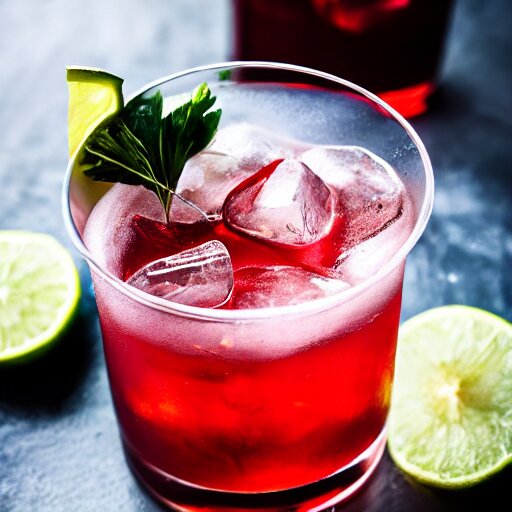
Mixing a Boulevardier with balance and chill
- Place a cocktail glass in the freezer for a few minutes, or fill it with ice water while you mix, so the finished drink stays properly cold.
- Add whiskey, Campari, and sweet vermouth to a mixing glass filled generously with fresh ice. A bourbon version leans rounder and softer; rye gives a drier, spicier edge.
- Stir steadily for about 20 to 30 seconds. You want the mixture very cold and slightly diluted, which helps knit together the spirit, bitterness, and vermouth sweetness.
- Taste a drop with a bar spoon if you like. If it feels too hot or sharp, give it a few more stirs rather than adding more ingredients.
- Empty the chilling ice from the serving glass if needed, then strain the drink into the cold cocktail glass.
- Garnish, if desired, with an orange twist expressed over the surface to add bright citrus oils without changing the drink’s core character.
What the Boulevardier tastes like
The Boulevardier is often described as a whiskey Negroni, but it has its own personality. It is rich, bittersweet, and silky, with dark fruit and herbal notes from the vermouth and a firm orange-red bitterness from Campari. Bourbon brings caramel and vanilla; rye shifts the drink toward spice, structure, and a slightly leaner finish.
Best way to serve it
Serve it straight up and very cold. Because there is no ice in the glass, temperature matters more than people think: a warm glass makes the drink feel heavier and sweeter. This is an excellent pre-dinner cocktail, but it also works after dinner for drinkers who enjoy bitter profiles. If you want a softer expression, choose a plush sweet vermouth and bourbon; for a more assertive one, go with rye and a more herbal vermouth.
A little history in the coupe
The Boulevardier dates to the 1920s and is most commonly linked to Barflies and Cocktails, a 1927 book by Harry McElhone of Harry’s New York Bar in Paris. It is usually associated with Erskine Gwynne, an American writer in Paris who published a magazine called Boulevardier. Exact origin details are not perfectly documented, but that connection is the most widely accepted.
A no-proof Boulevardier-style riff
For a non-alcoholic version, stir together a zero-proof whiskey alternative, a bitter Italian-style aperitif substitute, and a non-alcoholic sweet vermouth-style aperitif over ice, then strain into a chilled glass. Keep the same proportions and finish with an orange twist. The result will not be identical, but it can still deliver the drink’s signature bittersweet, citrus-herbal shape.