Bloody Mary
Bloody Mary is a cocktail made with vodka, tomato juice, and various seasonings, often served with a celery stalk garnish. It is a classic brunch drink and known for its savory and spicy taste.
Bloody Mary recipe
- 4.5 cl (3 parts) vodka
- 9 cl (6 parts) Tomato juice
- 1.5 cl (1 part) Lemon juice
- 2 to 3 dashes of Worcestershire Sauce
- Tabasco sauce
- Celery salt
- Black pepper
Stirring gently, pour all ingredients into highball glass. Garnish.
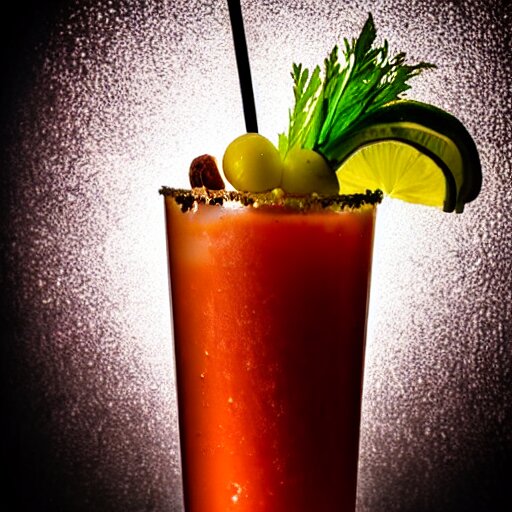
Building a balanced Bloody Mary
- Fill a highball glass generously with fresh ice so the drink stays cold without thinning too quickly.
- Add the vodka, tomato juice, and lemon juice directly to the glass. A squeeze of fresh lemon works best for a brighter, cleaner edge.
- Season with Worcestershire, a few drops of hot sauce, a pinch of celery salt, and a couple of grinds of black pepper. Start lighter than you think—you can always add more heat or savoriness.
- Stir gently but thoroughly with a bar spoon, lifting from the bottom so the seasonings fully mix into the tomato juice.
- Taste before serving. If it feels flat, add a touch more lemon; if it needs depth, add another dash of Worcestershire; if it needs bite, add black pepper or hot sauce.
- Garnish simply or generously. A celery stalk is classic, but lemon, olives, or even a pickled garnish can work well.
- Serve immediately while the ice is solid and the drink is vividly chilled.
What the Bloody Mary tastes like
A Bloody Mary is savory first, then tangy, peppery, and lightly spicy. Unlike citrus-forward cocktails, its appeal comes from balance between tomato richness, acidity, salt, and seasoning. Vodka gives structure without dominating, which lets the drink behave almost like a seasoned brunch tonic. Texture matters too: it should be full-bodied, but not heavy or sludgy.
Why it works at brunch
This is one of the few classic mixed drinks that rewards seasoning as much as measuring. It pairs naturally with eggs, bacon, smoked fish, and salty breakfast foods because the profile mirrors table condiments more than dessert-like cocktail sweetness. If making several, pre-mix the tomato, lemon, and seasonings first, then add the spirit per glass to keep control over strength and freshness.
A murky but famous origin story
The exact origin is debated. The most widely repeated story links the drink to Fernand Petiot, who mixed an early version in Paris in the 1920s and later helped popularize it in New York. Whether he truly invented it in its modern seasoned form is less certain, but he remains the name most often associated with the cocktail’s rise. The Bloody Mary’s reputation grew strongly through mid-20th-century hotel and brunch culture.
A spirit-free Bloody Mary
For a non-alcoholic version, skip the vodka and increase the tomato juice slightly. Add a little extra lemon and a careful dash more Worcestershire or hot sauce to maintain structure. Served over plenty of ice with celery and black pepper, it becomes a sharp, refreshing Virgin Mary with all the savory appeal of the original.