Black Russian
Black Russian is a classic cocktail made with vodka and coffee liqueur. It is typically served on the rocks and garnished with a cherry or orange slice.
Black Russian recipe
- 50 ml Vodka
- 20 ml Coffee liqueur
Pour the ingredients into the old fashioned glass filled with ice cubes. Stir gently.
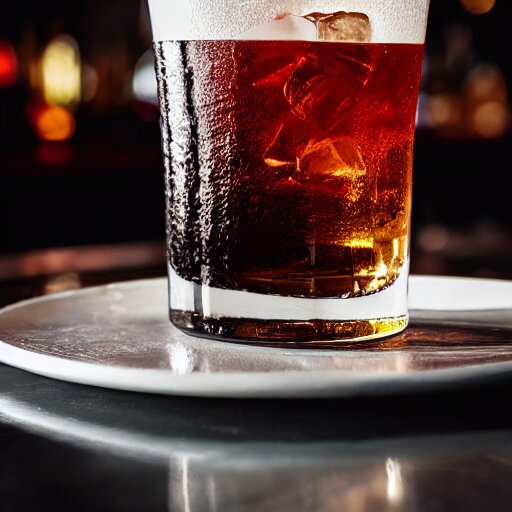
Building a Black Russian over ice
- Fill an old fashioned glass with fresh, solid ice cubes. Larger cubes work especially well here because they melt more slowly and keep the drink from thinning out too fast.
- Pour in the vodka first, then add the coffee liqueur. Adding them directly over the ice helps chill both ingredients immediately.
- Stir gently for about 10 to 15 seconds. You want the drink cold and integrated, but not overly diluted.
- Taste if you like a more pronounced coffee character or a drier finish. A slightly longer stir softens the edges; a shorter stir keeps it firmer and more spirit-forward.
- Serve immediately with no garnish, or add a light orange twist if you want a subtle citrus lift that plays nicely against the dark coffee notes.
- Sip slowly as the ice opens the drink up. The flavor shifts nicely over a few minutes, becoming rounder and smoother.
What it tastes like in the glass
The Black Russian is simple but distinctive: rich coffee aroma, a lightly sweet middle, and a clean vodka backbone. Despite having only two components, it can feel surprisingly balanced when properly chilled. It is fuller and darker than many vodka drinks, with a dessert-adjacent mood, but it is not as creamy or soft as its White Russian relative.
Best moment to serve it
This is a strong, low-effort after-dinner cocktail that suits cool evenings, intimate gatherings, or any time you want something unfussy and spirit-led. Because it is served on the rocks, quality ice matters more than people expect. If your coffee liqueur is very sweet, use slightly more vodka or extra ice to keep the drink from becoming syrupy.
Black Russian backstory
The drink is generally traced to the late 1940s in Brussels, where bartender Gustave Tops is often credited with creating it for Perle Mesta, a U.S. ambassador. The “Russian” part refers to vodka rather than a confirmed Russian origin. That attribution is widely repeated, though cocktail history from the period is not always perfectly documented.
Easy alcohol-free version
For a zero-proof take, build it the same way using a non-alcoholic vodka alternative and a coffee concentrate or alcohol-free coffee spirit over ice. If needed, add a small splash of simple syrup to mimic the rounded sweetness of a liqueur. The result keeps the dark, chilled coffee profile without the alcohol.