Angel face
Angel Face is a classic cocktail made with gin, Calvados, and apricot brandy. It has a smooth, fruity flavor with a subtle floral note.
Angel face recipe
- 3 cl gin
- 3 cl Apricot brandy
- 3 cl Calvados
Pour all ingredients into cocktail shaker filled with ice cubes. Shake and strain into a chilled cocktail glass.
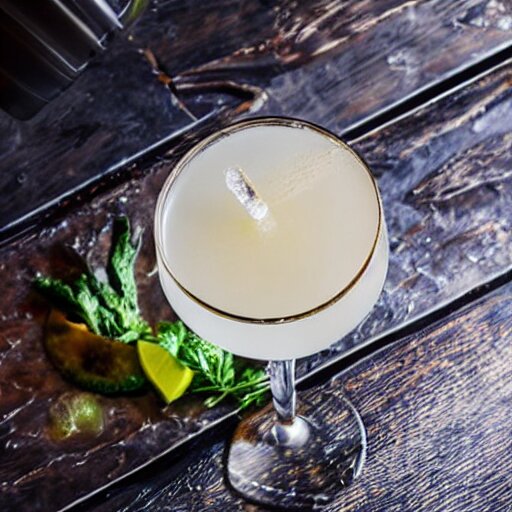
Shake the Angel Face cold and clean
- Chill a cocktail glass well in advance, either in the freezer for a few minutes or by filling it with ice water while you prepare the drink.
- Add equal measures of gin, apricot brandy, and Calvados to a cocktail shaker. Because the recipe is perfectly balanced by volume, careful measuring matters more than it might in a looser sour or highball.
- Fill the shaker generously with fresh ice cubes. Plenty of ice helps the drink reach the right temperature quickly without becoming flat or overly diluted.
- Shake hard for about 10 to 15 seconds, until the outside of the shaker feels very cold. This drink benefits from a brisk shake that slightly softens the spirit-forward edges.
- Empty the chilling ice from the glass if needed, then strain the mixture into the cold cocktail glass.
- Serve immediately, straight up and without ice. If you want a small aromatic lift, an orange twist works nicely, though the classic presentation is often left unadorned.
What Angel Face tastes like
Angel Face is rich, fruity, and deceptively smooth. The gin gives structure and a dry herbal backbone, while apricot brandy adds lush stone-fruit sweetness. Calvados brings apple depth and a gently rustic orchard note that keeps the drink from becoming candy-like.
The overall profile sits somewhere between elegant and indulgent: fragrant at first sip, then warming and quietly powerful.
Best way to present it
This cocktail shines when served very cold in a small cocktail glass. Because there is no citrus or sparkling component, temperature is a big part of the experience. A well-chilled glass keeps the texture silky and the fruit notes focused.
It works best as an after-dinner cocktail or a slower pre-dinner sipper for guests who enjoy fruit-driven classic drinks.
A little background and bar-room trivia
Angel Face appears in classic cocktail books from the early 20th century and is commonly associated with the Savoy tradition, though exact origin details are a bit murky. The most credible context places it among interwar European-style spirit cocktails that favored equal-parts simplicity.
Its name is notably charming for a drink with real strength: equal parts of three full-bodied spirits make it far more potent than its soft fruit aroma suggests.
A zero-proof orchard version
For a non-alcoholic riff, combine equal parts non-alcoholic gin alternative, apricot nectar or apricot cordial, and a good alcohol-free sparkling apple aperitif or still cloudy apple juice. Shake with ice, then strain into a chilled glass. It will be sweeter and softer than the original, but it keeps the drink’s signature orchard-and-botanical character.